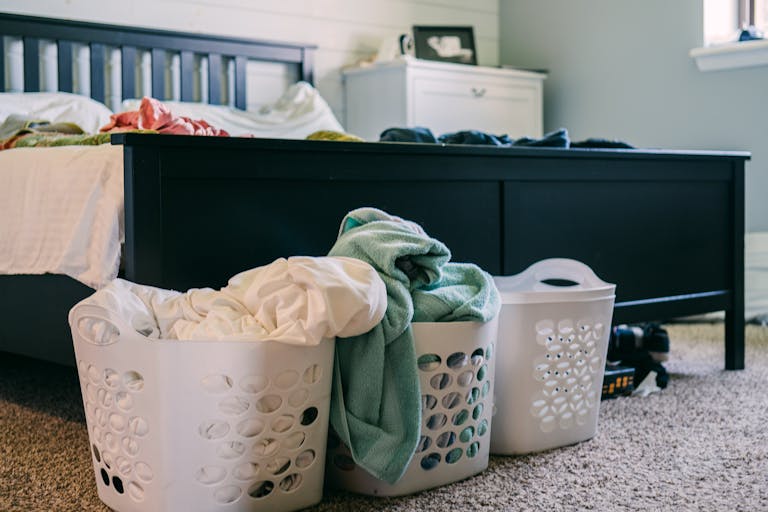
Clutter can feel like an invisible weight pressing down on you.
It’s not just about messy surfaces or overflowing closets. Clutter can seep into your mind, leaving you anxious, indecisive, and emotionally exhausted.
Sometimes the very thought of decluttering is enough to make you freeze.
You might stare at a room full of things, wishing it could just sort itself, wondering where to even start. If that resonates, take a deep breath.
You’re not lazy, incapable, or unusual for feeling stuck.
The truth is, decluttering is emotional work.
It’s not just about moving objects from one place to another; it’s about managing memories, habits, and feelings tied to those objects.
Tackling clutter when you’re overwhelmed requires a gentler approach, small wins, and a focus on progress rather than perfection.
Decluttering doesn’t have to be done in marathon sessions or with endless willpower.
With tiny, intentional steps, you can start creating more space in your home and more mental clarity without feeling defeated.
Let’s explore compassionate strategies to help you move forward even when the mess feels impossible.
Start Tiny: Choose the Smallest Corner
When everything feels chaotic, starting with a massive project is paralyzing. Instead, pick the smallest, least intimidating corner like a single drawer, a bookshelf, or even just one shelf inside a cabinet.
The goal is not to declutter the whole room at once but to make a visible, manageable change. Even a tiny corner cleared can spark motivation, build confidence, and prove that progress is possible.
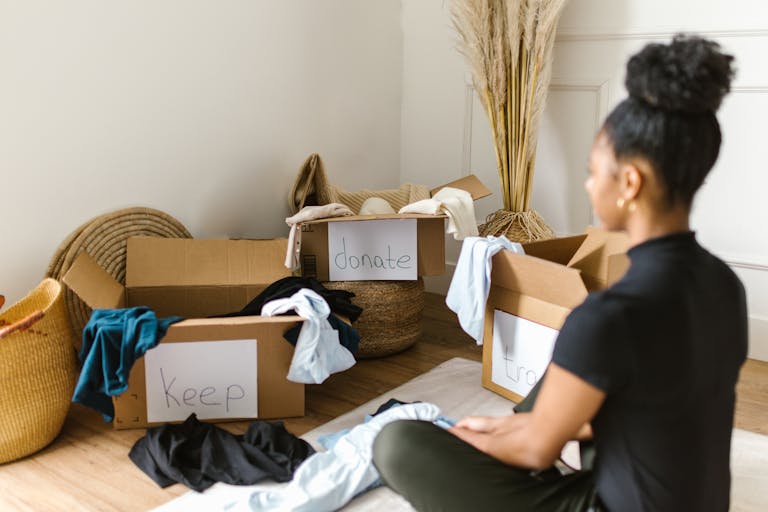
For example, take one drawer filled with miscellaneous items. Pull everything out and sort it into simple categories: keep, donate, or trash. Five minutes might feel too short to make a difference, but you’ll be surprised how satisfying it feels to have one small area tidier. Over time, these tiny victories accumulate, making larger projects feel more achievable.
One Item at a Time
When faced with overwhelming clutter, the brain often goes into overdrive. It starts imagining all the decisions at once, creating stress and hesitation. To counter this, focus on one item at a time. Hold it, ask yourself a simple question: Does this serve me or bring me joy right now? If yes, keep it. If no, set it aside to donate or discard.
This method keeps you in the present moment and prevents spiraling thoughts like “I’ll never finish” or “What if I regret this?” By focusing on just one object, you make the process manageable. One item, one choice, one step—this repetition builds momentum and gently chips away at the clutter.
Create Zones to Reduce Decision Fatigue
Decision fatigue is a real thing. Making hundreds of small choices while decluttering can be mentally exhausting. Simplify your process by creating physical zones for items. For instance, set up a keep zone, a donate zone, and a trash zone. When you pick up an item, place it in the appropriate zone rather than overthinking it.
Later, you can sort each zone more carefully if needed. This technique allows progress without requiring constant mental effort. The act of moving objects alone gives a sense of accomplishment, and seeing the zones fill up encourages continued work even on overwhelming days.
Use a Timer and Work in Short Bursts
When your brain feels overloaded, long decluttering sessions are intimidating. Instead, set a timer for 10 to 15 minutes and focus solely on one small area during that time. When the timer goes off, stop. You’ve accomplished something, and you’re honoring your energy limits.
Short bursts also make decluttering feel less like a chore and more like a manageable, intentional practice. You may find that after one timer, you’re motivated to do another. Even if you only complete one short session, it’s a victory. The key is that small consistent actions beat sporadic marathon efforts.
Remove Items Immediately
One of the most effective ways to reduce overwhelm is to physically remove items from your home right away. Have a bag for donations ready, and as soon as it’s full, place it in your car or by the door. This prevents the temptation to second-guess your choices and keeps your home visibly decluttered.
Sometimes just seeing items leave your space sparks a sense of relief and motivation. It’s a tangible reminder that your decisions are making a difference, even if the overall project is far from finished.
Set Up Comfort and a Safe Environment
Decluttering can trigger anxiety, stress, or sadness, so it’s important to prepare a comforting environment. Play calming music, open a window for fresh air, or keep a warm cup of tea nearby. If possible, create a cozy corner to rest when you need breaks.
This isn’t just about physical comfort; it’s about creating emotional safety. Knowing you have a comforting space to return to reduces resistance and helps you approach clutter with a calmer, more patient mindset.
Focus on the Feeling You Want
When overwhelm sets in, it’s easy to fixate on the clutter itself. Shift your focus to how you want your space to feel. Do you want calm, order, creativity, or lightness? Holding onto this vision helps guide your decisions and provides a clear purpose for each action.
For example, if you want your bedroom to feel serene, you might decide that certain knickknacks or piles of paper do not belong there, even if they feel sentimental. Focusing on the feeling rather than the items themselves makes letting go feel intentional rather than like a loss.
Accept Your Pace
Decluttering is emotional and mentally exhausting, so allow yourself to move at your own pace. Some days you might clear an entire shelf, and other days only a few items. Both are valid. The goal is progress, not speed or perfection. Accepting your pace reduces stress and prevents burnout.
Your decluttering journey is not a race. Moving slowly allows you to make thoughtful decisions without guilt, and often results in a more lasting, meaningful change.
Avoid Comparing Yourself to Others
Social media and friends’ posts often show perfectly organized homes, but comparison only adds pressure. Everyone has a different lifestyle, different emotional attachments to their belongings, and different timelines for decluttering. Focus on your own space, your own pace, and your own needs. Your home should reflect you, not someone else’s idea of perfection.
Make it Playful
Decluttering doesn’t have to feel heavy or punitive. Turn it into a game, a challenge, or a mindful exercise. Time yourself to see how many items you can decide on in five minutes, or listen to an uplifting playlist while sorting. Celebrate small victories, like completing a bag for donation or clearing a surface. Positive reinforcement encourages consistency and makes the process less stressful.
Pause When Needed
Sometimes the best step is no step at all. If you feel mentally or emotionally drained, take a pause. Even a short break can reset your mind and make it easier to continue later. Pausing does not mean quitting; it means you are respecting your energy and emotions. Decluttering is a marathon, not a sprint, and breaks are a natural part of sustainable progress.
Connect to Your “Why”
Ask yourself why you want to declutter. Is it to feel calmer at home, reduce stress, improve focus, or create space for joy? Keeping your “why” in mind provides motivation and clarity when decisions feel overwhelming. When you connect each action to your intention, letting go becomes purposeful rather than stressful.
Let Go of What You Don’t Need
Clutter often comes with guilt: “What if I need this someday?” The reality is, most items we hold onto indefinitely are not necessary. Ask yourself if an object truly serves your life now. If it doesn’t, it’s okay to release it. Letting go frees up physical space and mental energy, creating room for what actually matters.
Celebrate Every Step
Finally, take a moment to acknowledge your progress. Every item you decide on, every corner you clear, and every bag you prepare for donation is a success. Celebrate small wins, whether that’s with a warm drink, a short walk, or simply noticing your space feels lighter. Recognizing your effort reinforces positive habits and makes the decluttering journey feel rewarding rather than overwhelming.
Takeaway
When clutter feels too overwhelming, remember that tiny steps, short bursts, simple zones, and self-compassion are your allies. You don’t have to tackle everything at once. Start small, remove one item at a time, and honor your energy limits.
With patience, gentle persistence, and mindful action, clutter becomes manageable, and your space—and mind—will feel lighter. Every decision to release is a step toward calm, clarity, and more room for the life you want to live.
Even when it feels impossible, know this: progress is possible, one small step at a time, and you are more capable than you think.