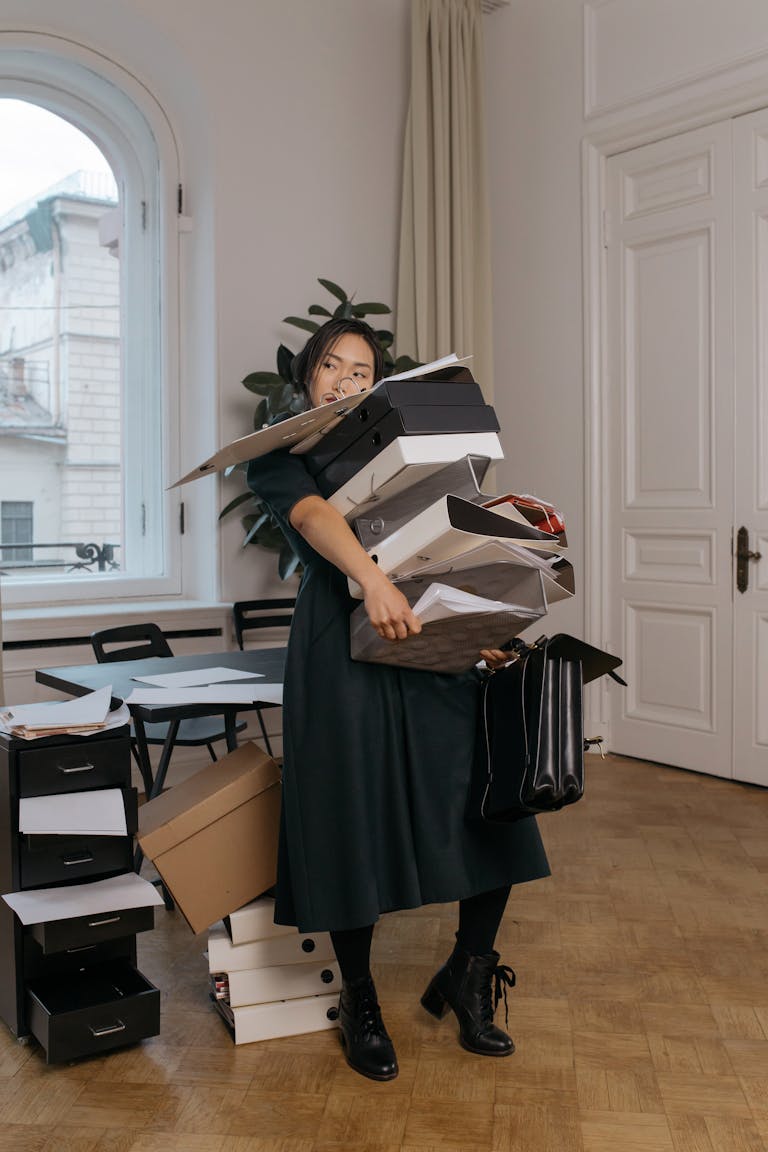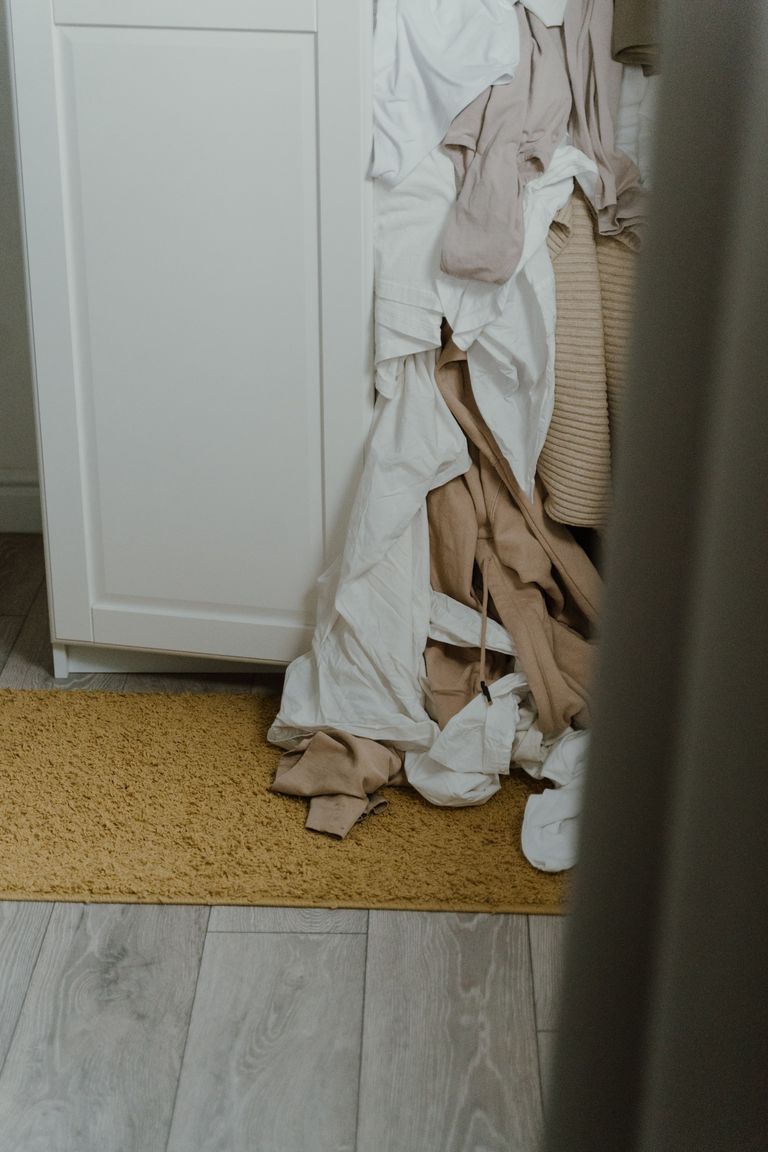
Mess has always been a part of my life.
Thanks to ADHD and autism, keeping things tidy didn’t come naturally, and clutter could quickly feel overwhelming.
I tolerated it for years, thinking it was just part of who I was.
Yet every pile, every crowded surface, slowly wore me down. The thought of decluttering felt impossible.
I loved my possessions but struggled to part with them, and organizing always seemed like a never-ending cycle of chaos.
Over time, I discovered a simple seasonal ritual that completely changed how I relate to my belongings.
It’s not about perfection or minimalism, but managing what you truly need on hand, and creating systems that actually work for how your brain functions.
Only Keep Out What You Actually Need
One of the first lessons I learned is that less is more.
I started to think about my home as a space for living, not storing. Instead of trying to declutter everything at once, I focused on keeping out only what I actively use.
I began treating my home like I was packing for a vacation.
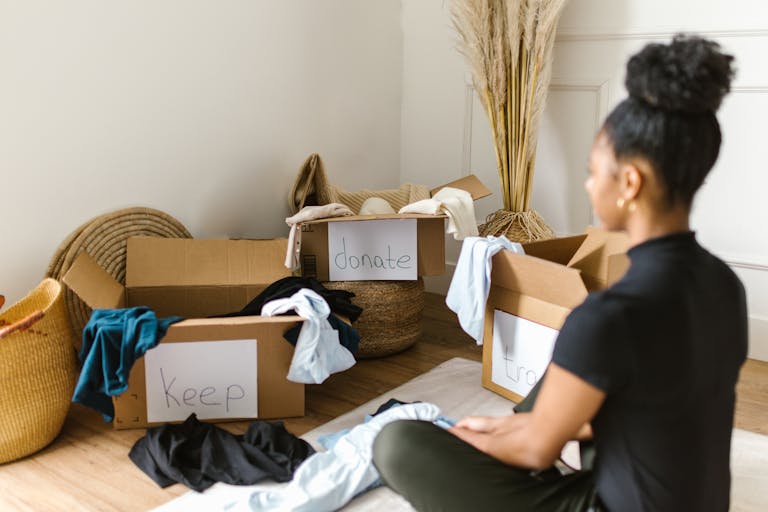
I take out what I need and put the rest into boxes. Clothes, seasonal items, or hobby supplies so if I’m not using them in the current season, they go into storage.
Out of sight, out of mind.
This simple step relieved a huge mental load. When surfaces are clear and items are easy to access, it’s easier to focus on the tasks and activities that matter.
It also reduces decision fatigue: instead of facing a jumble of items every day, I only interact with what’s immediately relevant.
Organize Boxes by Category
Of course, “out of sight” only works if there’s some order to the boxes. Initially, my storage system was messy: everything went into whatever container was available, and I often forgot what I had stored. I quickly learned that categorizing is key.
Now, each box holds items from the same category. Seasonal clothes go together, craft supplies are together, and holiday decorations have their own home. This way, when I need something, it’s easy to locate, and I don’t have to dig through a pile of unrelated items. It’s a small effort upfront that pays off with a calmer, more functional home.
Quarterly Evaluations
One of the most transformative parts of this ritual is the quarterly evaluation. Every few months, I go through the boxes to check what I have. When the seasons change, I bring out the current season’s items and put away the previous season’s.
This step isn’t just about switching clothes; it’s about re-evaluating what I actually need. Because items have been out of sight for months, it’s easier to see which possessions are unnecessary. I’ve found that if I haven’t missed something while it’s been in a box, it’s probably safe to donate, recycle, or discard it.
This system allows me to part with things more easily than when they were constantly visible. It also keeps my home functional year-round, without overwhelming clutter accumulating on surfaces or in closets.
Why This Works for ADHD and Autism
For neurodivergent brains, traditional decluttering methods often fail. The pressure to do a “big purge” or organize everything at once can feel impossible and paralyzing. My seasonal storage ritual works because it:
- Reduces decision fatigue: I only deal with a limited set of items at a time.
- Minimizes visual overwhelm: Items not in use are completely out of sight.
- Builds routine into decluttering: Quarterly evaluations make it predictable and manageable.
- Encourages slow, sustainable decluttering: Instead of forcing myself to part with things immediately, I can observe what I actually miss or use.
It’s a rhythm rather than a one-off task. And for me, it’s made decluttering less about guilt and more about creating a functional, comforting home.
Tips for Adapting the Seasonal Storage Ritual
- Start with one category: Try seasonal clothing first—it’s tangible and easier to manage than everything at once.
- Label everything clearly: Boxes or containers should be labeled by category so you can find items quickly.
- Set a timer: If you struggle with focus, set a timer for 15–30 minutes to evaluate boxes each season.
- Use see-through containers if helpful: Some people prefer visual access; I personally like opaque boxes to reduce temptation and visual clutter.
- Track items you miss: If you find yourself needing something while it’s in storage, note it. This can inform future organization or let you reconsider if it truly belongs in rotation.
The Emotional Benefit
Beyond the physical organization, this ritual has an emotional impact. By keeping only what I need and regularly evaluating the rest, my home feels calmer, my mind feels lighter, and I feel more in control. I don’t feel constantly dragged down by mess, and the process doesn’t feel overwhelming because it’s broken into manageable steps.
For anyone who struggles with clutter due to ADHD, autism, or just a natural tendency toward mess, this ritual is a reminder that decluttering doesn’t have to be immediate or dramatic—it can be a gentle, structured practice that respects your brain’s needs.
Takeaway
The seasonal storage ritual I wish I’d known about sooner isn’t about perfection. It’s about creating systems that support how you live, giving you space, clarity, and freedom. By keeping only what’s on hand, organizing boxes by category, and reviewing them quarterly, you can manage your belongings without overwhelm.
Decluttering doesn’t have to be scary or exhausting. It can be a ritual that protects your energy, makes your home feel calmer, and allows you to engage with your life fully. And the best part? Once you start, you’ll discover how empowering it feels to finally create a home that works for you—not against you.