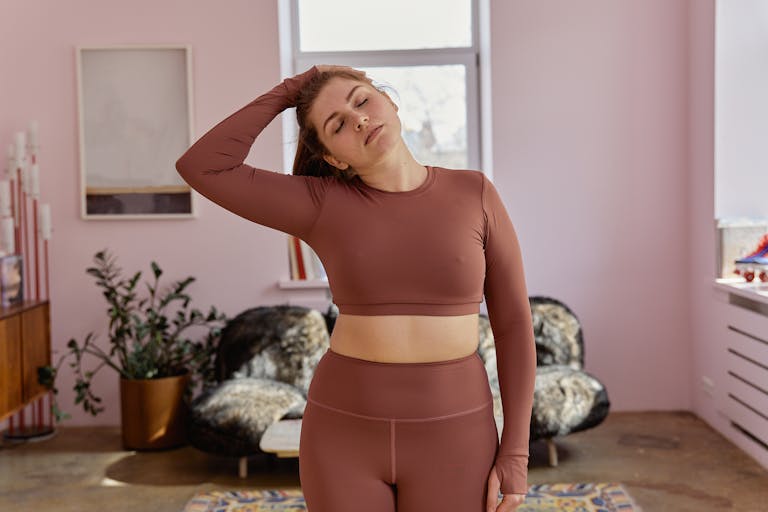
Fitness culture is full of messages about what your body should look like, how much you should move, and what counts as “success.” Many of these messages are subtle, so you may not even realize how much they influence the way you see yourself. Over time, these beliefs can quietly chip away at your confidence, self-worth, and enjoyment of movement. Understanding and challenging these toxic ideas is essential if you want to cultivate a healthier relationship with your body and fitness.
You Must Sweat or It Doesn’t Count
One of the most common fitness myths is that unless a workout is grueling, intense, or leaves you drenched in sweat, it doesn’t “count.” This belief can make you feel like you’re failing if you prefer gentler forms of movement, like walking, stretching, Pilates, or yoga. In reality, all movement benefits your body and mind, regardless of intensity. Gentle or moderate activity can improve circulation, strengthen muscles, reduce stress, and increase energy levels.
Listening to your body and honoring your needs is far more sustainable and supportive than pushing yourself into workouts that leave you exhausted, anxious, or frustrated. Remember, consistency matters more than intensity. Daily movement—whether it’s a walk around the block, stretching before bed, or a few minutes of bodyweight exercises—is cumulative. Over time, these small, intentional choices build strength, resilience, and confidence, without the pressure to overexert or follow unrealistic standards.
Thin Equals Fit
Many people equate thinness with fitness, health, or success. This belief fuels comparison, shame, and unrealistic expectations. Fitness is not determined solely by appearance—strength, endurance, flexibility, energy, and mental wellbeing are far more meaningful measures of health. Thinking that your worth or fitness level is tied to a number on the scale or how you look in clothes sets you up for frustration and disappointment, rather than confidence and empowerment.
Bodies come in all shapes and sizes, and health looks different on everyone. Focusing on external markers rather than internal experience can create a negative feedback loop: you exercise or restrict yourself to change appearance, feel frustrated when results don’t match your expectations, and begin to associate movement with shame. Shifting your perspective to appreciate what your body can do, rather than what it looks like, fosters self-compassion and a sense of accomplishment that extends far beyond aesthetics.
More Is Always Better
It’s tempting to think that the more you exercise, the better results you’ll get. This belief can push you into overtraining, burnout, or ignoring your body’s signals of fatigue and recovery needs. Rest, recovery, and listening to your body are essential parts of any fitness routine. Recovery allows muscles to repair, energy to restore, and motivation to remain steady. Overdoing it doesn’t make you stronger; it can lead to injury, stress, and negative feelings toward your body.
Building a sustainable routine means finding a balance between effort and rest. Moderate, regular movement is often more effective in the long term than sporadic bursts of intense activity. Incorporating rest days, light activity days, and variety ensures that your body gets the stimulation it needs while also supporting mental wellbeing. Learning to honor your limits is a strength, not a weakness, and makes your relationship with movement more positive and lasting.
Pain Means Progress
Many fitness messages suggest that discomfort or soreness is proof that you’re working hard enough or making progress. While challenging yourself can be productive, constant pain, discomfort, or exhaustion is a sign that something might be off—whether it’s technique, intensity, or recovery. Using pain as a measure of worth or success can make you push past limits in unhealthy ways, damaging both confidence and body image.
Healthy movement should feel challenging but not punishing. It’s possible to progress, gain strength, and improve endurance without enduring constant discomfort. Learning to distinguish between effort and strain is key. Pain that persists, causes dread, or interferes with daily activities is a signal to slow down, adjust your routine, or seek guidance. Over time, understanding your body’s signals builds trust, resilience, and a sense of mastery over movement.
You Have to Look a Certain Way to Belong
Fitness spaces—gyms, studios, social media, or online communities—often portray a narrow image of who belongs: certain body types, ages, or abilities. Believing that you need to look a specific way to be accepted can create anxiety, shame, and self-consciousness. Everyone has the right to move their body in ways that feel good and supportive. Your worth and enjoyment of fitness aren’t defined by how closely you resemble someone else.
Creating a positive environment is essential. Surround yourself with spaces, instructors, and communities that are inclusive, encouraging, and supportive. Avoid comparing yourself to images or performances you see online. Instead, celebrate your personal growth and achievements. Accepting your body as it is and moving it in ways that feel empowering transforms fitness into a joyful and self-affirming practice rather than a source of pressure or shame.
Practical Strategies to Overcome Toxic Beliefs
Awareness is the first step toward change. Notice which toxic fitness beliefs you’ve internalized and how they influence your behavior, mindset, and emotions. Once you identify them, replace harmful ideas with ones that emphasize listening to your body, enjoying movement, and celebrating what your body can do rather than how it looks.
Focus on capabilities: track progress by strength, endurance, or flexibility rather than appearance. Celebrate achievements, no matter how small. Build routines that include movement you genuinely enjoy—this could be walking outdoors, dancing, stretching, or other forms that feel good. Give yourself permission to rest and recover. Recognize that consistency matters more than intensity, perfection, or comparison.
Mindset shifts matter as much as the physical practice itself. Practicing self-compassion allows you to acknowledge slip-ups, fatigue, or missed sessions without guilt. Flexibility ensures that life’s unpredictability doesn’t derail your habits. Support systems—friends, communities, or professionals—reinforce positive beliefs and keep you motivated without pressure.
Emphasize Joy and Connection
Moving your body should be pleasurable and empowering, not a source of anxiety or shame. When you shift focus from external appearance to internal experience, movement becomes a form of self-care. Enjoying the rhythm, strength, or freedom your body offers enhances confidence and body image. Fitness then becomes a positive, reinforcing cycle: you move in ways that feel good, notice improvements, and feel motivated to continue.
Including social or creative aspects—like group classes, walking with a friend, or dancing—adds emotional value and reinforces positive associations with fitness. Movement becomes a way to connect with your body and others rather than a measure of worth.
Final Thought
Toxic fitness beliefs quietly shape the way you view your body and your relationship with movement. Sweating, thinness, extreme effort, pain, and appearance-based pressure are not accurate measures of progress, ability, or value. By identifying and challenging these beliefs, you reclaim fitness as a source of empowerment, enjoyment, and wellbeing. Focus on listening to your body, moving with intention, prioritizing consistency over intensity, and celebrating your capabilities. Fitness should enhance your life, not diminish your self-esteem. When you embrace movement as a tool for self-care rather than a measure of worth, your body image, confidence, and overall wellbeing flourish.