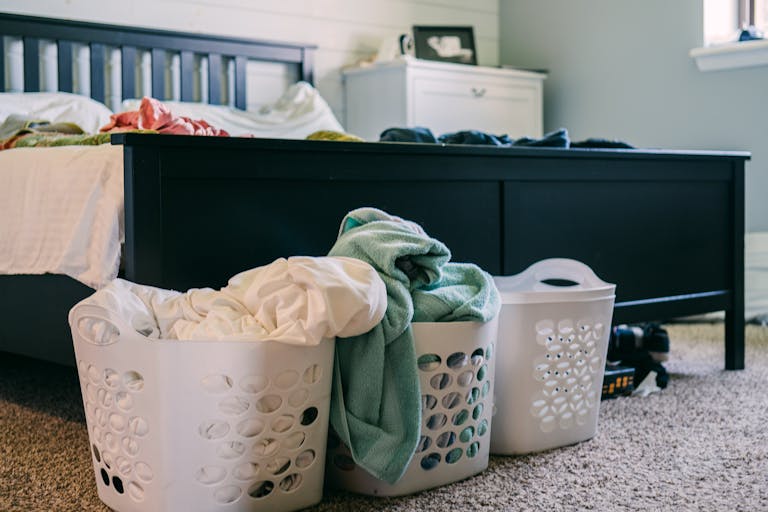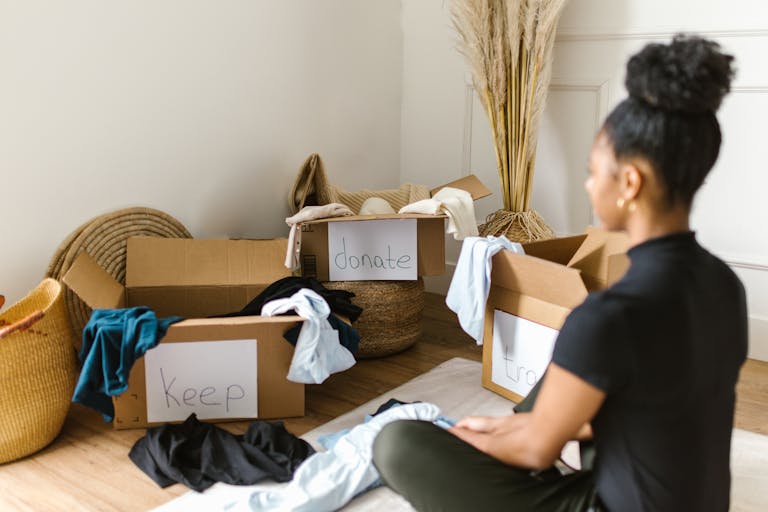
Your twenties are a time of growth, experimentation, and collecting life experiences.
Naturally, you’ve also collected things.
Clothes, gadgets, sentimental keepsakes, papers, and miscellaneous “just-in-case” items.
Some of these items serve you, but many quietly drain your energy, clutter your space, and make it harder to focus on the life you want.
Decluttering before your 30th birthday isn’t about perfection or minimalism, but about creating mental clarity, emotional freedom, and room for the life you want to step into.
Here’s a compassionate, practical guide to 55 items you might consider letting go of before you hit this milestone. Think of it as a gentle inventory check for your space, your habits, and your heart.
Clothing and Accessories
- Clothes with permanent stains you’ll never fix.
- Worn-out shoes you don’t wear or can’t repair.
- Outfits that don’t fit and you haven’t worn in over a year.
- T-shirts with outdated logos or slogans that no longer feel like you.
- Ill-fitting formal wear you keep “just in case.”
- Duplicate items—you probably don’t need three black cardigans.
- Old hats, scarves, or gloves that no longer suit your style.
- Worn-out or uncomfortable bras and underwear.
- Clothes you feel obligated to keep because they were gifts.
- Accessories you never wear—bags, belts, or jewelry that just sit.
Tip: If you’re hesitant about letting go, ask yourself: “Would I buy this today if I saw it in a store?” If not, it might be time to release it.
Sentimental Items
- Love letters from past relationships that trigger guilt or sadness.
- Old diaries or journals you’ve already outgrown emotionally.
- Souvenirs from trips you don’t remember fondly.
- Gifts from people you no longer feel connected to.
- Tickets, programs, or event memorabilia you’ll never look at again.
- Childhood toys or items you’ve outgrown.
- Old photographs that feel heavy—consider digitizing them.
- Broken sentimental objects that can’t be repaired.
- Cards or notes you don’t reread and aren’t meaningful.
- Objects tied to “should” memories instead of joyful ones.
Tip: Take photos of items you want to remember but don’t need physically. You keep the memory without holding onto clutter.
Paperwork and Documents
- Old bills that are already paid.
- Outdated bank statements older than a few years.
- Old resumes or cover letters you won’t reuse.
- School papers or assignments you don’t need.
- Instruction manuals for items you no longer own.
- Warranties that have expired.
- Receipts you don’t need for returns or taxes.
- Expired coupons or vouchers.
- Unused greeting cards you’ll never send.
- Miscellaneous papers that have piled up over time—shred or recycle.
Tip: Consider digitizing important documents to reduce physical clutter.
Gadgets and Electronics
- Old phones or chargers you no longer use.
- Cords and cables you don’t recognize.
- Unused headphones or earbuds.
- Outdated laptops or tablets that are obsolete.
- CDs, DVDs, or old media you never play.
- Gadgets you bought on impulse and never touched.
- Electronic accessories for devices you no longer own.
- Old fitness trackers or smartwatches you don’t wear.
- Non-functional electronics that can’t be repaired.
- Boxes or packaging for gadgets you’ve already set up.
Tip: Donate working electronics or recycle responsibly.
Home and Kitchen Items
- Duplicate kitchen gadgets you never use.
- Expired spices, condiments, or pantry items.
- Old coffee mugs or cups that are chipped or unused.
- Mismatched Tupperware missing lids.
- Old towels or linens that are worn out.
- Broken furniture or décor you keep “just in case.”
- Unused or decorative items that don’t bring joy.
- Old candles or beauty products past their prime.
- Plastic containers with no matching lids.
- Items you keep out of guilt or obligation.
Tip: If it’s broken or unused for over a year, it’s likely safe to let go.
Miscellaneous Items
- Old gym bags or backpacks that are worn or never used.
- Unopened kits or hobby supplies you haven’t touched in years.
- Books you know you won’t reread—donate or sell.
- Stuffed animals or plush toys you’ve kept past their relevance.
- Items you “might need someday” but realistically never will.
Tip: Ask yourself: “Does this support the life I want today?” If the answer is no, it’s okay to release it.
How to Let Go Without Feeling Guilty
- Start small: Tackle one category at a time so it doesn’t feel overwhelming.
- Use the “maybe box”: If an item feels hard to part with, store it for 30 days. If unused, donate or discard it.
- Digitize memories: Scan photos, journal entries, or sentimental papers to keep the memory without the clutter.
- Focus on the future: Let go of items that no longer serve your current life and your goals.
Takeaway
Decluttering before your 30th birthday is less about achieving a perfect home and more about creating mental clarity, emotional freedom, and physical space for what really matters. Each item you release is a small step toward intentional living, giving you the room to breathe, think clearly, and focus on the life you want to create.
Remember, letting go doesn’t mean forgetting—it means making room for what truly matters now and in the decade ahead. Whether it’s a stained T-shirt, an old journal, or an unused gadget, each decision to release clutter is a gift to your future self.