Sometimes your home feels heavier than it should.
You walk in the door, and instead of relief, you feel a tiny weight pressing on your chest.
Counters overflowing, piles of laundry, papers stacked in every corner can make even the most peaceful space feel chaotic.
An unkept home isn’t just visually messy; it can make your mind feel crowded, your energy depleted, and your motivation to do anything almost impossible.
Clutter whispers that you’re behind, that you’re not in control, or that life is too much right now.
It doesn’t matter if it’s a few random items on the floor or half-forgotten piles in a closet. These small details affect how you feel every single day.
But the good news is, you can take back that calm.
It starts with seeing the items that weigh your home down and knowing which ones to release, organize, or store.
Here’s a guide to 55 things in your home that often make it feel cluttered and unkept, along with simple ways to deal with them so your space and your mind can breathe again
Clothing and Accessories
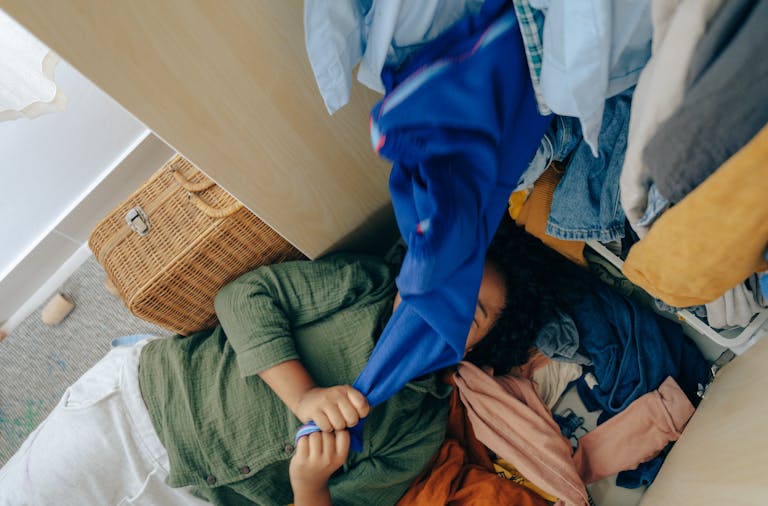
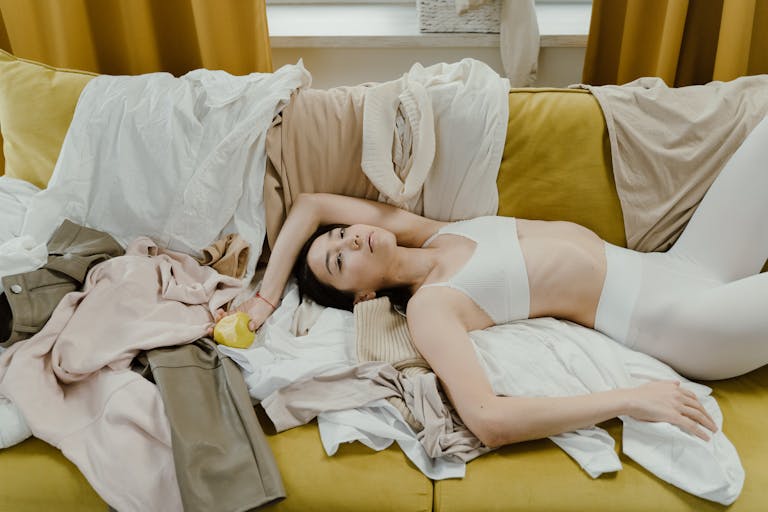
Clothes Piled on Chairs or Couches
When clothes are left draped over furniture, the room instantly feels heavy and messy. Taking a few minutes to fold, hang, or put them in the laundry can make the space feel calmer and more welcoming.
Shoes Scattered by the Door
Shoes scattered in entryways can make coming home feel stressful instead of relaxing. A shoe rack, basket, or cubby keeps them in one place and prevents clutter from accumulating.
Jackets and Coats Draped Over Furniture
Over time, jackets and coats on sofas or chairs create a visual sense of chaos. Hooks, over-the-door organizers, or a coat stand give these items a proper home and clear surfaces.
Outdated or Unworn Outfits
Clothes you haven’t worn in months silently take up space in your mind and closet. Placing them in a donation bag regularly frees space and lightens your mental load.
Socks Without Pairs
Single socks lying around can quietly add to clutter. Keeping a small basket for unmatched socks helps you pair them or repurpose them, keeping drawers and floors neater.
Scarves, Hats, or Accessories Left on Counters
Accessories on counters or tables can make surfaces feel chaotic. A drawer, basket, or small hanging organizer keeps everything visible and accessible while keeping your space tidy.
Duplicate Clothing Items
Extra items you rarely wear create visual and mental clutter. Letting go of a few duplicates makes room for clothes you actually enjoy wearing.
Unwashed Gym Clothes Left Out
Clothes left out after workouts make a room feel unkempt and stressful. Placing them directly in the laundry basket keeps both your space and mind clearer.
Outgrown Shoes or Clothing Tucked in Awkward Spots
Items you’ve outgrown often linger in corners or closets. A donation box or storage bin helps release them without guilt and keeps daily spaces clear.
Belts, Jewelry, or Watches Without a Home
Small accessories without an organized spot can scatter across surfaces and drawers. Trays, hooks, or small organizers give each item a proper place and restore calm.
Paper and Office Clutter
Piles of Unsorted Mail
Mail piles quickly make surfaces feel overwhelming. Sorting mail into “action, file, recycle” categories keeps counters manageable and reduces stress.
Unpaid Bills Stacked on Tables
Bills left on tables can create anxiety. Using a simple folder labeled “to pay” or a small box keeps everything organized and easy to track.
Old Magazines or Newspapers
Magazines or newspapers that pile up take up space and add visual clutter. Keeping only current issues and recycling the rest clears your surfaces.
Sticky Notes Everywhere
Notes scattered across desks or counters can be overwhelming. Consolidating them into a notebook or digital app keeps reminders organized and surfaces clear.
Receipts Kept Unnecessarily
Unneeded receipts clutter drawers and counters. Keeping only essential ones in a single spot and recycling the rest frees up space.
School or Work Papers Left Unfiled
Papers that are unfiled create stress without us realizing it. A simple accordion folder or file system helps you quickly store and find important documents.
Empty Envelopes or Packaging
Empty envelopes or packaging left around creates visual noise. A recycling bin nearby makes it easy to dispose of items immediately.
Instruction Manuals for Items You No Longer Own
Old manuals take up space and mental energy. If the item is gone, letting the manual go frees both your home and mind.
Notebooks or Journals in Disarray
Unused or scattered notebooks create clutter. Keeping only current ones on your desk and storing the rest makes the area more calming.
Cluttered Desks with Random Items
Desks with miscellaneous items scattered across them can feel stressful. Drawer dividers, small baskets, or trays give each item a home and restore order.
Kitchen and Dining
Countertops Crowded with Gadgets
Gadgets left out make the kitchen feel cramped. Keeping only what you use daily and storing the rest in cabinets opens up surfaces.
Expired Pantry Items
Expired food quietly adds clutter and stress. Regularly checking dates and discarding old items lightens both the pantry and your mind.
Tupperware With Missing Lids
Containers without matching lids can be frustrating. Storing lids in one container and recycling extras keeps cabinets organized.
Extra Mugs or Cups
Unused mugs or cups take up cabinet space. Donating or storing extras clears cupboards and simplifies kitchen access.
Unwashed Dishes Left Out
Dishes left in the sink or on counters make the kitchen feel chaotic. Promptly washing or loading the dishwasher keeps spaces inviting.
Food Containers Scattered Around
Containers without a set spot create visual clutter. Keeping them in one drawer or basket makes them easier to use and put away.
Plastic Bags Spilling from Drawers
Loose bags quickly take over drawers. A small bin or reusable bag organizer keeps them contained and accessible.
Miscellaneous Utensils Without a Home
Random utensils add noise to drawers. Drawer dividers or utensil trays give each item a spot and reduce chaos.
Small Appliances That Aren’t Used
Appliances that sit on counters without being used add clutter. Store or donate them to create more space for daily use.
Cooking Tools Tucked Away and Forgotten
Tools hidden in drawers often get lost. Keeping essentials within reach and seasonal items elsewhere makes cooking easier and counters cleaner.
Living Room and Common Areas
Remote Controls Scattered
Remotes left on sofas or tables create visual chaos. A small tray or basket keeps them organized and easy to find.
Blankets in Messy Piles
Blankets left in haphazard piles make spaces feel disorderly. Folding or rolling them into a basket keeps them tidy but accessible.
Excessive or Mismatched Décor
Too many décor pieces can make a space feel cluttered. Simplifying and rotating items seasonally creates a calmer atmosphere.
Stacks of Magazines or Books
Excess reading material piles can be overwhelming. Keeping only what you are currently using on tables and shelving the rest creates order.
Kids’ Toys Not Stored Properly
Toys left out create constant visual clutter. Using labeled bins or baskets encourages kids to put items away and keeps play areas calm.
Pet Supplies Left on the Floor
Pet toys and supplies scattered around can make a room feel chaotic. A designated corner or basket keeps everything in one place.
Cords and Chargers Hanging Out
Cords draped across tables or floors create visual noise. Bundling them with clips or storing them in a drawer keeps spaces neat.
Unused Electronics
Old gadgets that aren’t used take up mental and physical space. Donating or recycling them frees up both.
Coffee Tables Covered in Odds and Ends
Small miscellaneous items on tables add to the sense of clutter. Leaving only one or two decorative pieces or using a tray can instantly tidy the space.
Bags or Shoes Left in Living Areas
Items left out in living areas make rooms feel disorganized. A small basket for daily-use items helps keep surfaces clear.
Bathroom and Personal Care
Expired Toiletries
Expired products clutter counters and cabinets. Regularly checking dates and discarding old items keeps your bathroom clean and refreshing.
Half-Used Lotions or Beauty Products
Unused or half-finished products add unnecessary clutter. Keeping only the items you regularly use makes counters and shelves feel calmer.
Hair Tools Left Out
Hair tools left on counters add visual noise. Storing them in a drawer or caddy keeps surfaces clean and items accessible.
Towels Piled Up
Towels left in piles create a sense of disorder. Folding and rotating towels and hanging damp ones to dry keeps the bathroom tidy.
Medicine Bottles or Supplements Scattered
Scattered bottles make spaces look chaotic. Keeping them in one cabinet or bin keeps everything organized and easy to find.
Old Makeup or Nail Polish
Expired makeup takes up valuable space. Clearing out old items every few months keeps counters neat and reduces clutter.
Random Bathroom Items on Counters
Items left on counters make a small space feel crowded. Keeping only daily essentials out and storing extras restores calm.
Cleaning Products Stored in Multiple Spots
Products scattered in different cabinets create disorganization. Consolidating them into one area simplifies your cleaning routine.
Shower Caddies Overloaded
Caddies stuffed with products feel overwhelming. Limiting to daily essentials and rotating seasonal products keeps them manageable.
Guest Toiletries Left Behind
Guest items left behind add to clutter. Packing them away after visits keeps counters and shelves clear.
Miscellaneous and Hidden Clutter
Boxes or Packaging from Deliveries
Boxes left around accumulate quickly. Recycling them immediately prevents visual chaos and clears floor space.
Broken or Unused Items
Items that are broken or unused silently weigh on your mind. Repair, donate, or discard them to free space and mental energy.
Decorations You No Longer Love
Outdated or unwanted décor creates unnecessary visual clutter. Rotate or donate items to refresh your home’s look.
Seasonal Items Left Out
Off-season items clutter shelves or closets. Storing them in labeled bins keeps spaces organized and ready for rotation.
Items in Hallways or Stairs
Items left in walkways make spaces feel crowded. Keeping hallways and stairs clear creates a sense of openness and calm.
Takeaway
Clutter isn’t just a physical problem—it’s an emotional weight that can quietly drain energy and make you feel out of control. The key isn’t perfection; it’s noticing what slows you down and gently taking steps to create a home that supports your peace of mind.
Start small, focus on one category or area at a time, and remember that letting go is freeing, not shameful. Every item you organize, store, or release is a step toward a calmer, more intentional space that supports how you want to feel in your home.