Clutter isn’t just about how your home looks, it massively affects how you feel.
When things pile up around you, it can weigh on your mind, create constant background stress, and make your home feel less like a sanctuary and more like a burden.
Recognizing the signs that you have too much stuff is the first step toward reclaiming your space and your peace of mind.
You Can’t Find Anything Without a Hunt
When your keys, wallet, favorite sweater, or charger seem to vanish every few days, it’s more than frustrating. It’s exhausting. Your home should make your life easier, not require scavenger hunts. If you catch yourself moving items from one surface to another just to locate them, it’s a sign that there’s too much stuff competing for attention and space.
Piles Appear Everywhere
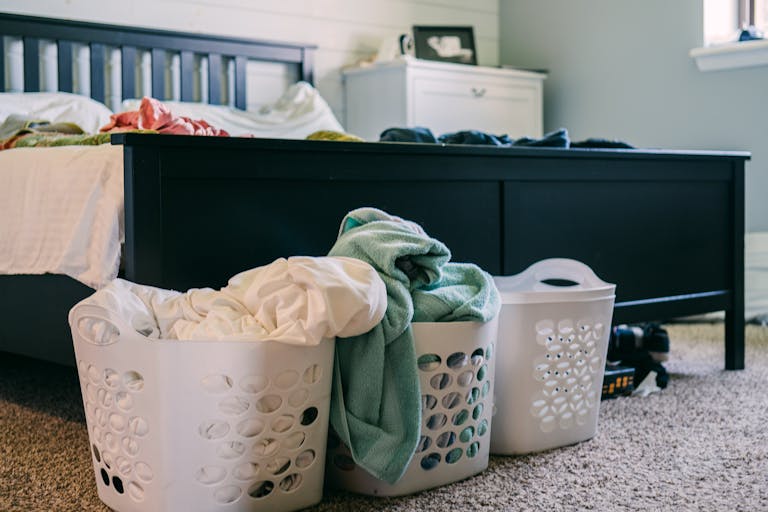
Counters, tables, chairs, even the floor. They seem to gather small mountains of stuff. Piles aren’t just physical; they carry emotional weight. Each stack can silently demand attention and make your home feel heavier. If you’re noticing piles forming quickly, it’s time to consider which items truly belong in daily view and which can be stored or released.
Closets Are Completely Full
Closets are meant to organize, not overwhelm. When clothing is crammed together, shoes are stacked on top of each other, and it’s nearly impossible to see what you own, your space is shouting that it’s over capacity. Overstuffed closets not only hide items you might love but also add a subtle, constant stress to daily life.
You Have Too Many “Just in Case” Items
Boxes of tools, duplicate kitchen gadgets, or clothes you never wear can pile up because you think, “I might need this someday.” Holding onto these items often takes more mental and physical energy than the rare time you actually use them. Regularly asking, “Have I used this in the past year?” can help you release items that no longer serve your life.
You Avoid Cleaning Because of the Clutter
When cleaning feels like an overwhelming task, it’s a clear sign that your space is holding more than it can handle. A home that feels impossible to tidy often leads to procrastination, guilt, and stress. Start small—focus on one surface or one drawer at a time—and you’ll slowly rebuild a sense of control.
Surfaces Are Constantly Covered
Tables, counters, and shelves should be functional, not holding an endless stream of items. If surfaces are never clear for more than a few hours, it’s a sign that things are competing for your attention. Leaving just a few essentials out and storing the rest can make your home feel instantly calmer.
You Store Stuff in Odd Places
Items tucked behind furniture, under beds, in corners, or in rarely-used drawers may give the illusion of order, but they add hidden clutter. If you’re constantly “hiding” things rather than using or enjoying them, your home is overstuffed and may be silently draining your energy.
You Have Collections You Don’t Actually Love
Collecting mugs, figurines, or souvenirs can start as joyful, but when you no longer truly enjoy them, they just take up space. Keeping only what sparks joy or serves a purpose can dramatically reduce clutter and make your home feel more intentional.
You Keep Items for Sentimental Reasons That Overwhelm You
Sentimental items are precious, but when they start crowding surfaces, closets, and drawers, they can add stress instead of comfort. Selecting a few meaningful pieces and letting the rest go is an act of self-care, not loss.
You Feel Anxious in Your Own Home
A home that’s too full can quietly raise stress levels. Feeling restless, overwhelmed, or tense while at home is often tied to the clutter around you. Addressing this physical clutter can bring emotional relief and make your home a true sanctuary again.
You Have “Storage Rooms” That Are Overflowing
Garages, basements, and spare rooms often act as dumping grounds for extra stuff. When these areas become unmanageable, it can make your living space feel chaotic even if the main rooms are tidy. It’s a sign that your belongings have exceeded the capacity your home can comfortably hold.
You Can’t Enter or Use Certain Spaces
When closets, drawers, or entire rooms become inaccessible, it’s a concrete signal that your stuff has outgrown the space. Avoiding certain areas creates frustration and takes away from the feeling of a home that supports you.
You Keep Buying Organizational Tools Without Tackling the Stuff
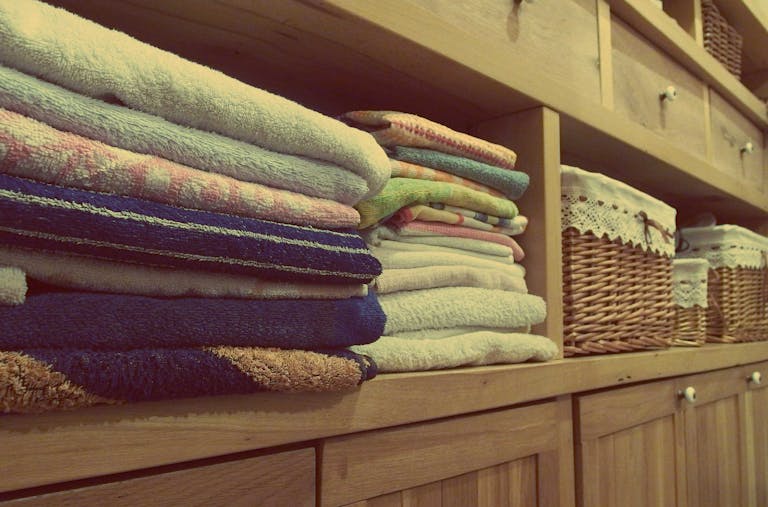
Bins, shelves, and baskets are helpful, but if the underlying accumulation isn’t addressed, they only hide the problem. Continuously buying new organizers without decluttering first is a sign that the accumulation is exceeding your capacity to manage it.
You Hold on to Broken Items
Broken electronics, torn clothes, or damaged décor that you hope to repair later add clutter and weigh on your mind. If items haven’t been fixed in months, it’s okay to let them go—it’s a way of freeing space and mental energy.
You Feel Guilty About the Clutter
Constant guilt or embarrassment over your home’s condition can indicate that your belongings are exceeding what your space and mind can comfortably manage. Remember, the feeling isn’t about judgment; it’s a signal to take gentle action for your own wellbeing.
You Buy Things You Don’t Need Because You “Might” Use Them
Impulse purchases often pile up because they’re bought to fill gaps in life rather than for actual use. If you notice shopping habits adding items you rarely use, it’s a strong indicator of overaccumulation.
Your Home Feels Heavy and Draining
Walking into your home shouldn’t feel exhausting. If you feel physically or emotionally drained by the amount of stuff around you, it’s likely your space has become a silent source of stress rather than a supportive sanctuary.
Takeaway
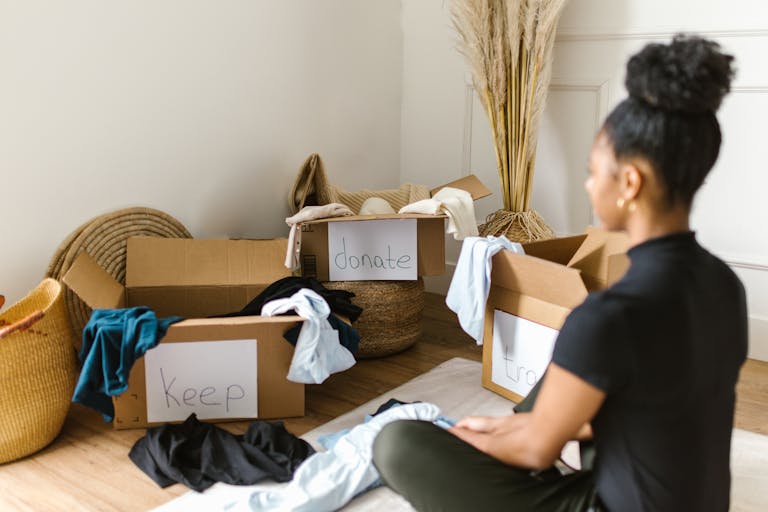
Too much stuff isn’t about failure—it’s about noticing when your possessions exceed what your space and mind can comfortably hold. The first step is awareness. Recognizing these signs allows you to take gentle, intentional steps toward clearing your home. You don’t need to declutter perfectly or all at once. Small actions, like letting go of items you no longer use, creating clear surfaces, or organizing “just enough” for your needs, can make a huge difference. Each item you release is a step toward a calmer, lighter, and more supportive home that aligns with how you want to feel in your life.